
Reviewed personally by Dr. Sunkara · Written for Pediatric Neurosurgery in Hyderabad · Updated September 2026
Quick Answer
A pediatric neurosurgeon in Hyderabad treats brain, spine, and nerve conditions in children, from newborns to teenagers, using surgical and non-surgical care. Dr. Raveesh Sunkara evaluates each child individually, since a growing brain and spine respond differently to treatment than an adult's. Many conditions are managed with minimally invasive or endoscopic techniques rather than open surgery.
Parents searching for a top rated pediatric neurosurgeon in Hyderabad usually arrive with a pediatrician's referral or a symptom that won't explain itself: an odd head shape, a seizure, a lump found at birth. The first job is finding out what's really going on.
Not every problem needs a surgery. Many families arrive expecting the most invasive option and leave with a monitoring plan instead. One recent patient, a 6-year-old with a craniopharyngioma, had been turned away for surgery elsewhere. Dr. Sunkara performed a transnasal endoscopic procedure instead, and the child has recovered well.
Most children reach a pediatric neurosurgeon because a doctor or parent noticed one of these signs. Many need monitoring, not surgery.
01
Imaging, a neurological exam, and sometimes genetic or developmental assessment confirm exactly what's happening and whether surgery is the right next step.
02
Dr. Sunkara maps out the least invasive option that safely addresses your child's condition, explaining what to expect at every stage.
03
When surgery is needed, the team works with pediatric anesthesia protocols built around a child's smaller body and faster healing.
What actually happens the morning of your child's surgery? Less than most parents fear, with the right preparation.
01
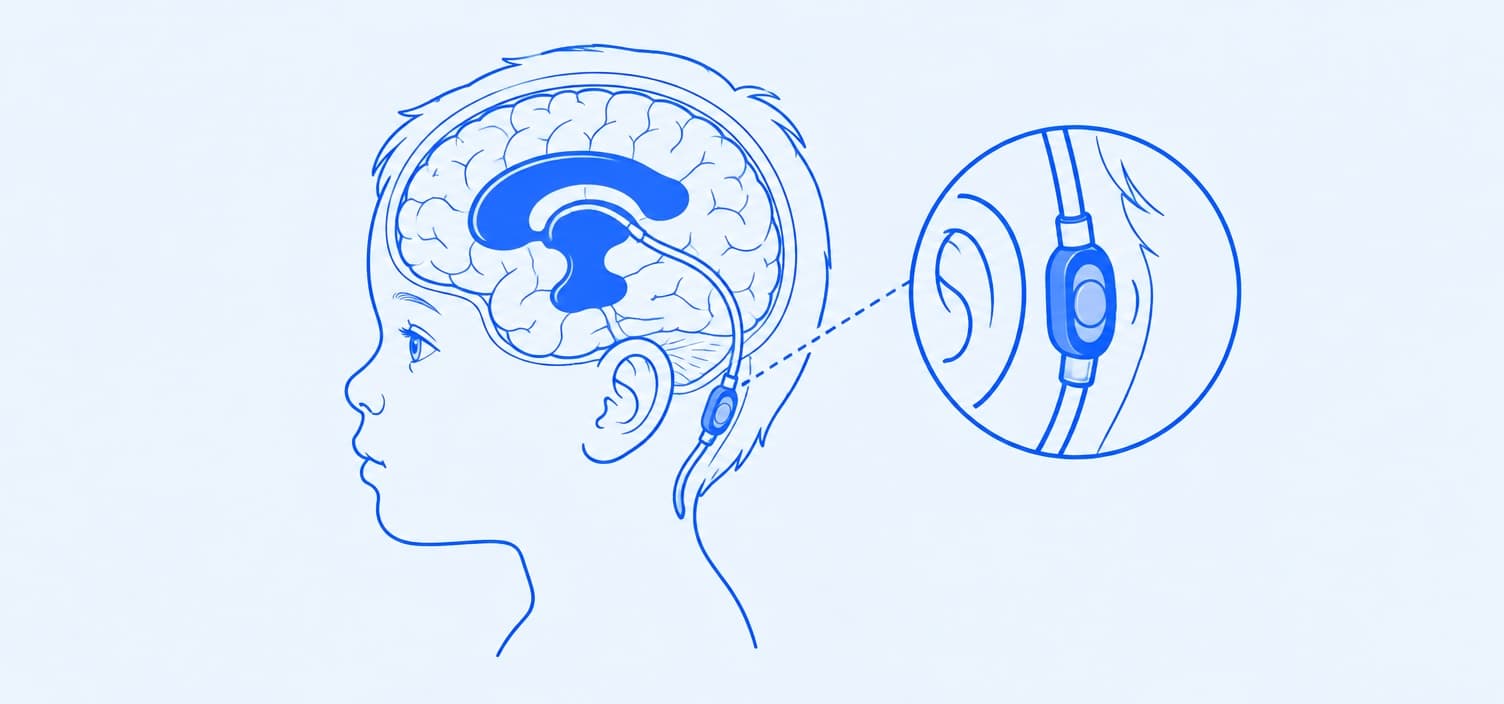
A buildup of cerebrospinal fluid inside a baby's skull. Treated with a shunt that drains the excess fluid, or an endoscopic procedure that avoids implanting hardware altogether.Hydrocephalus →
02
Tumors ranging from slow-growing and benign to aggressive, evaluated by type, size, and location before deciding between careful monitoring, endoscopic biopsy, or open surgical removal.
03
A birth defect where part of the spine and spinal cord fail to close properly, usually repaired surgically within days of birth to protect nerve function and prevent infection.
04
Early fusion of the skull's growth plates that can restrict brain expansion and reshape a baby's head, corrected with reconstructive skull surgery, typically performed before twelve months of age. Dr. Sunkara coordinates this care with a specialist craniofacial surgeon.
01
Your child recovers under close monitoring in a pediatric ICU or recovery unit, watched for alertness, pain control, and any neurological change.
02
Most children move to a general pediatric ward or a private ward as swelling settles, with gentle movement and feeding encouraged as soon as it's safe.
03
Stitches or staples come out, energy returns in bursts typical of children, and light play and school routines gradually resume.
04
Follow-up imaging checks healing and growth, and any additional care, like shunt monitoring or developmental follow-up, gets scheduled from here.
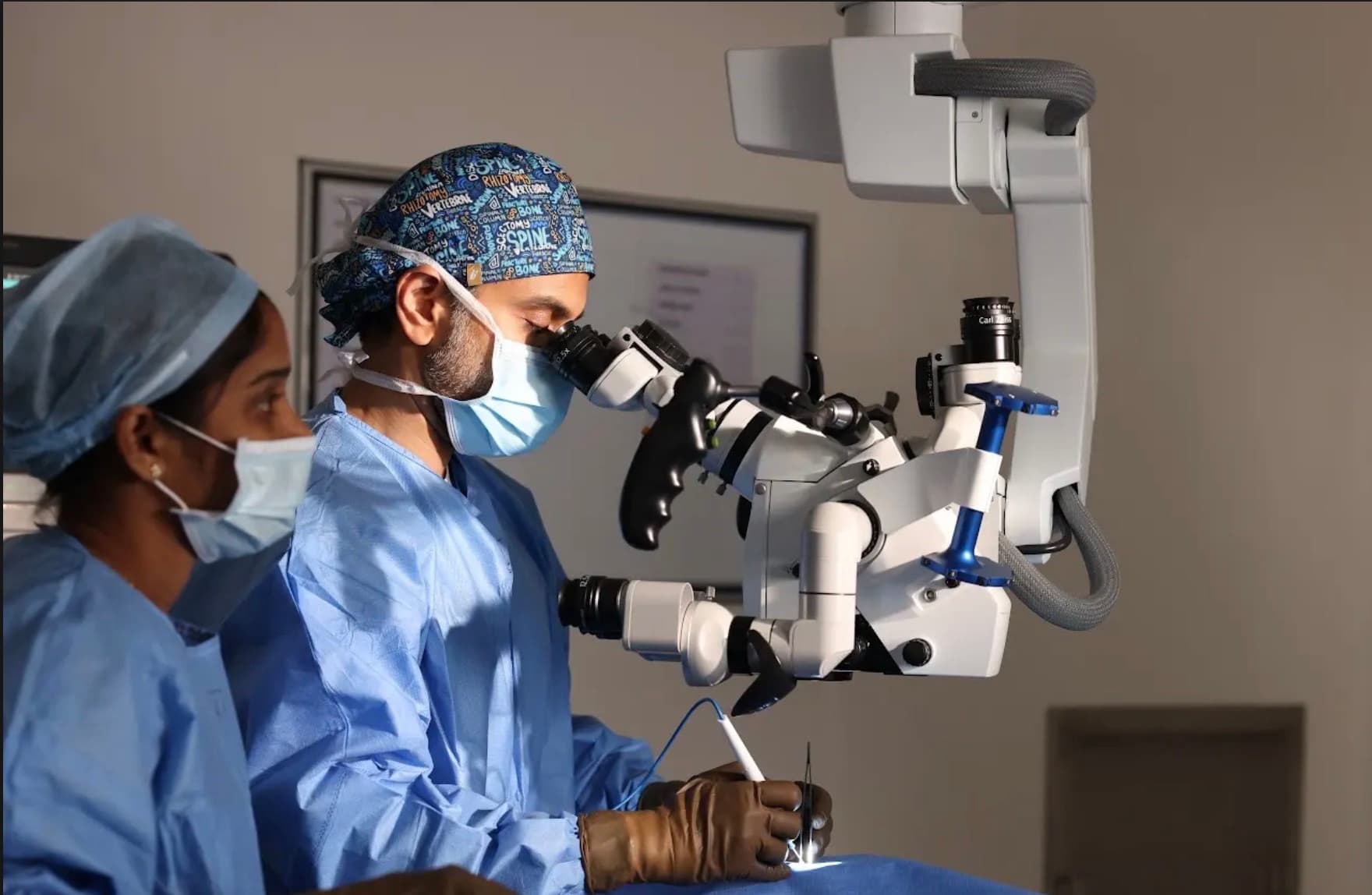
These reflect three of the more common procedures Dr. Sunkara performs as a pediatric neurosurgeon in Hyderabad.
Pediatric neurosurgery carries real risks, like any operation on a child, but serious complications are uncommon with careful planning.
What The Risks Include
Look for a specialist who evaluates your child individually and explains options plainly, not just performs surgery. Dr. Raveesh Sunkara reviews every case personally before recommending an operation.
Send your child's scans and reports first if you'd like. Dr. Sunkara reviews every one personally and tells you plainly whether surgery is needed at all.
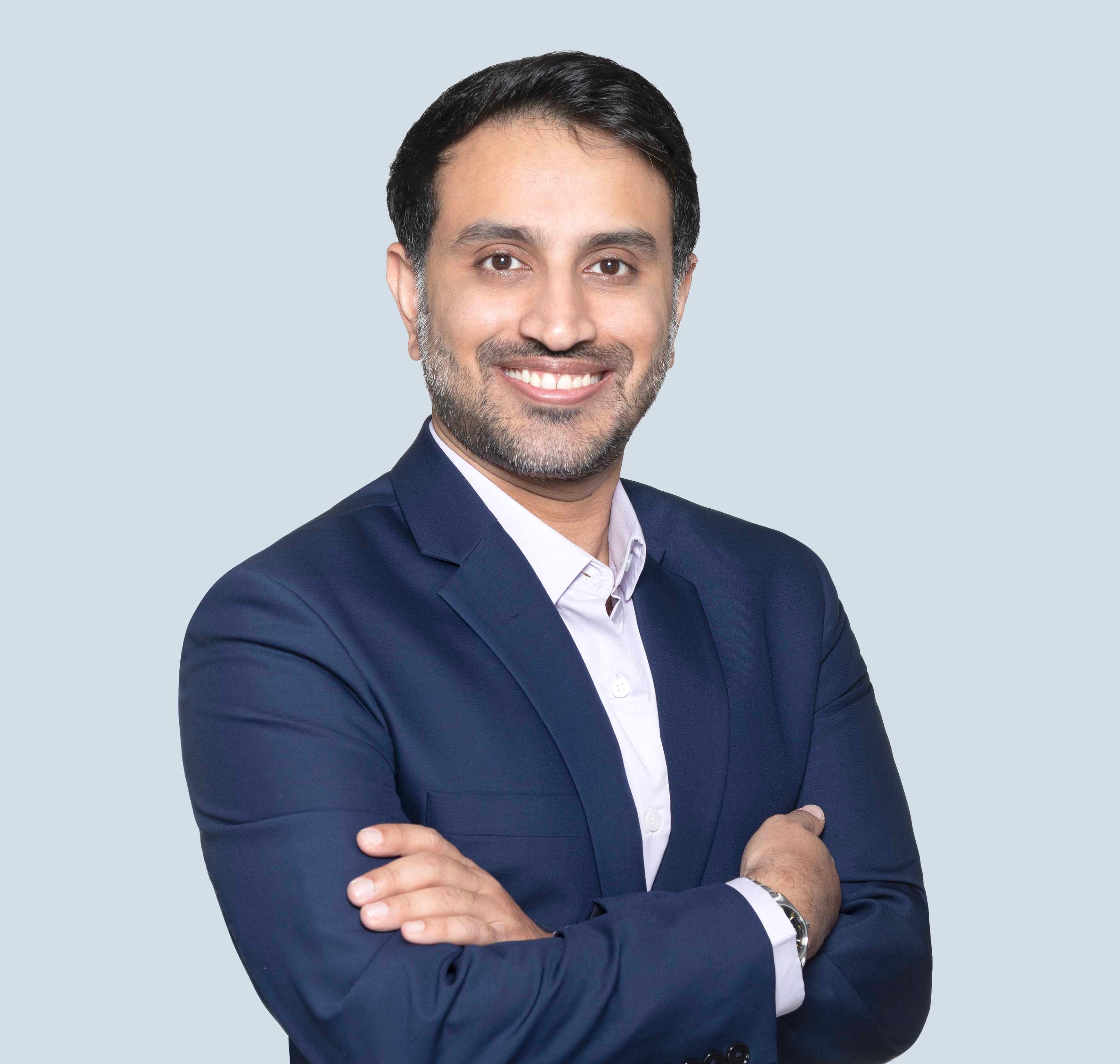
Written & reviewed by Dr. Raveesh Sunkara, Senior Consultant Neurosurgeon & Spine Surgeon · Last updated September 2026 · Next review due March 2027